
Autumn Leaf Care: Mulching, Leaf Mould & Protection for Winter
As the crisp air of October settles in and leaves begin to fall, many gardeners see the blanket of autumn leaves as a chore to clean up. But with the right approach, fallen leaves can improve soil health, protect plants over winter, and reduce waste. In this guide, we’ll walk you through practical, proven methods for turning autumn leaves into an asset through mulching, leaf mould, and winter protection.
Mulching with Autumn Leaves
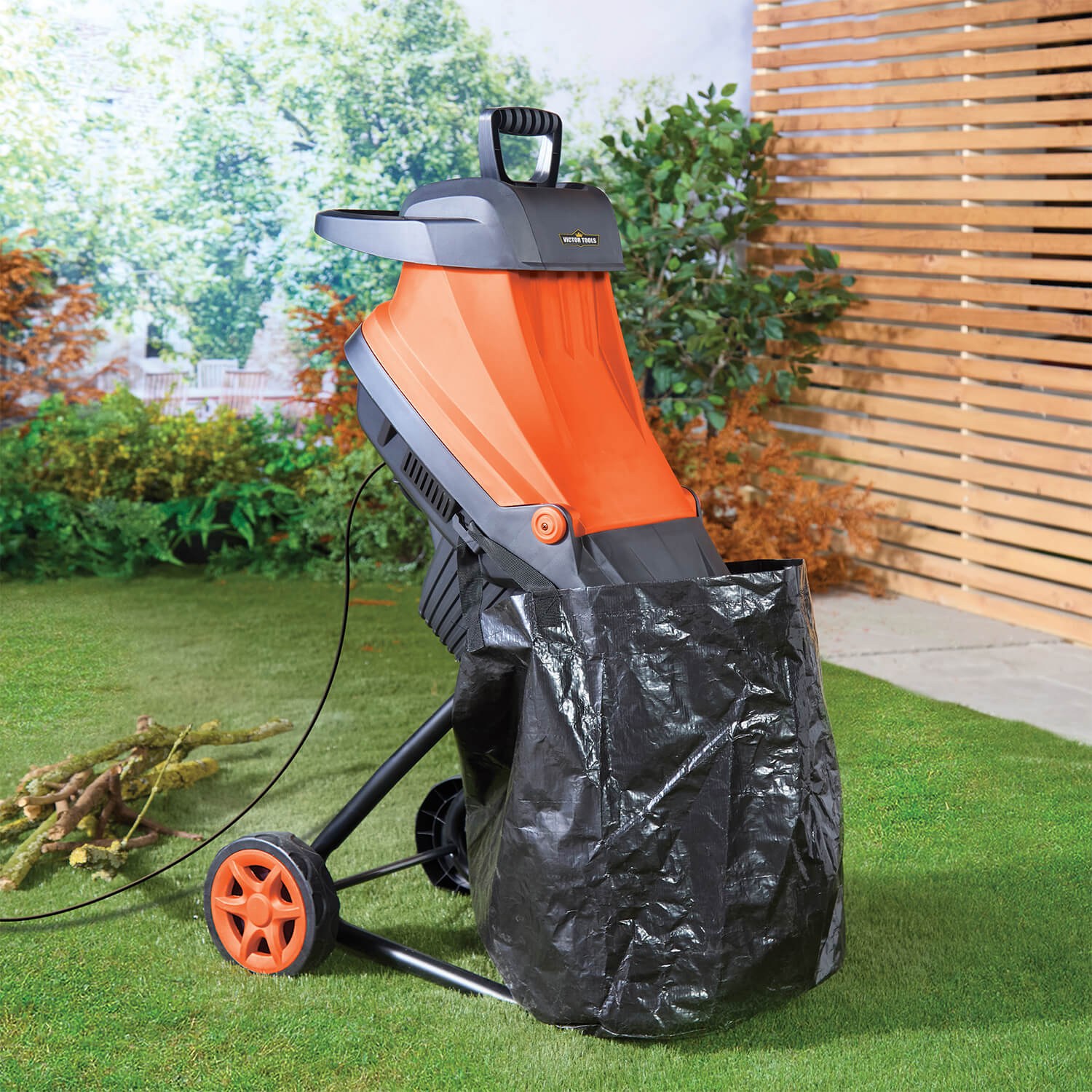
Mulching is one of the most effective ways to use autumn leaves in the garden. Shredded leaves applied to beds, borders, and around trees create a protective blanket that helps suppress weeds, regulate soil temperature, and improve soil structure as it breaks down. Shredding the leaves first, either with a garden shredder or by mowing over them, prevents them from matting together and blocking water. Spread a layer around 5 to 8 centimetres thick around perennials, shrubs, and trees, taking care to leave a little space around stems. Because leaf mulch decomposes quickly, it’s worth replenishing it through the season.
 |
 |
Making Leaf Mould
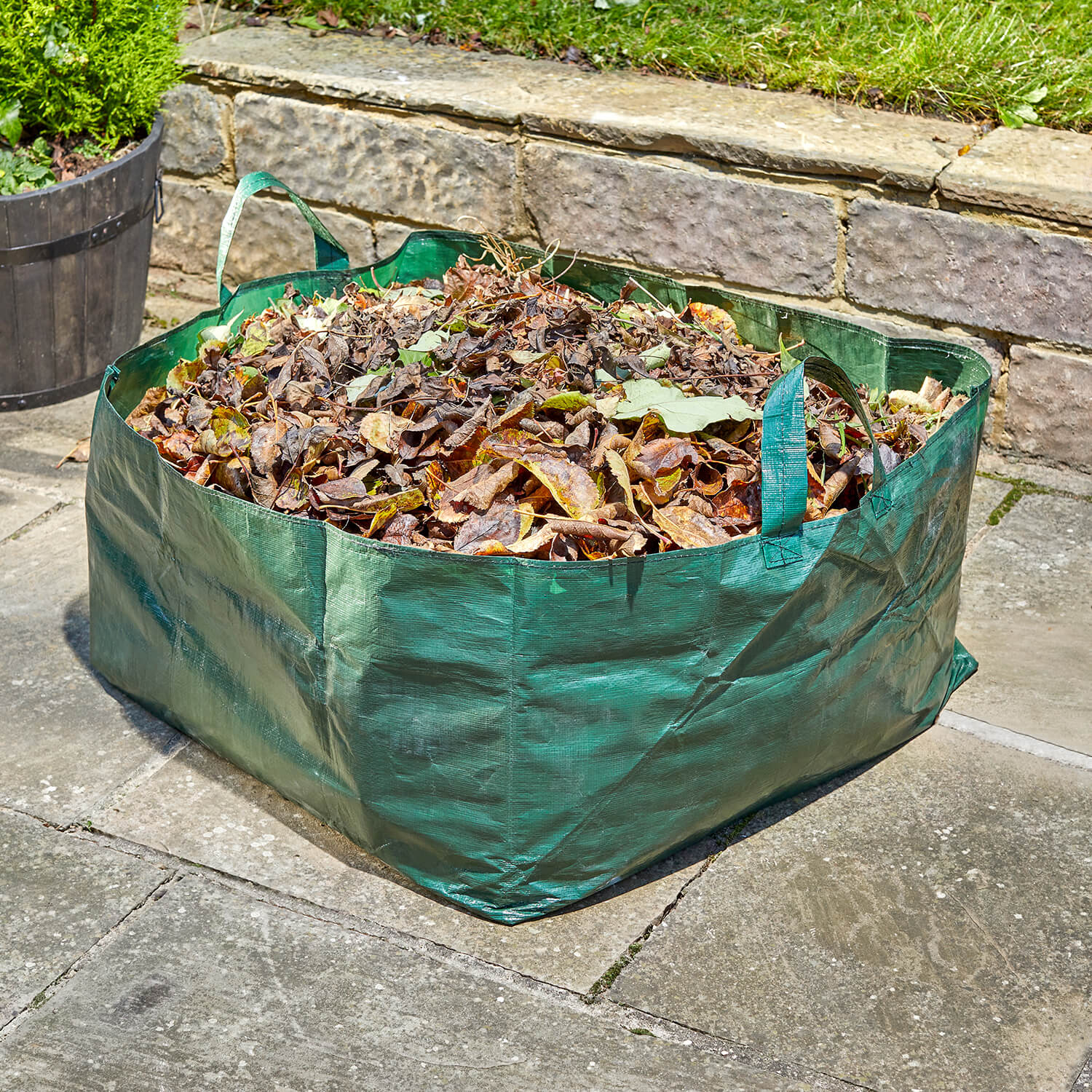
Leaf mould is a gardener’s secret weapon for building rich, moisture-retentive soil. Unlike compost, which is nutrient-heavy, leaf mould excels at improving soil texture and creating the perfect environment for soil organisms. To make it, gather leaves in autumn, ideally steering clear of tough evergreens like holly, which takes far longer to decompose. Pile the leaves into a wire bin, a compost cage, or even black bags with holes poked in for airflow. Keep them lightly damp, and then simply let nature do the work. Within six to twelve months, you’ll have a coarse mulch, and after eighteen to twenty-four months the leaves will break down into a fine, crumbly material that’s excellent for seed sowing and potting mixes. Mixing different types of leaves speeds the process and produces a better end result.
 |
|
Protecting Plants with Autumn Leaves
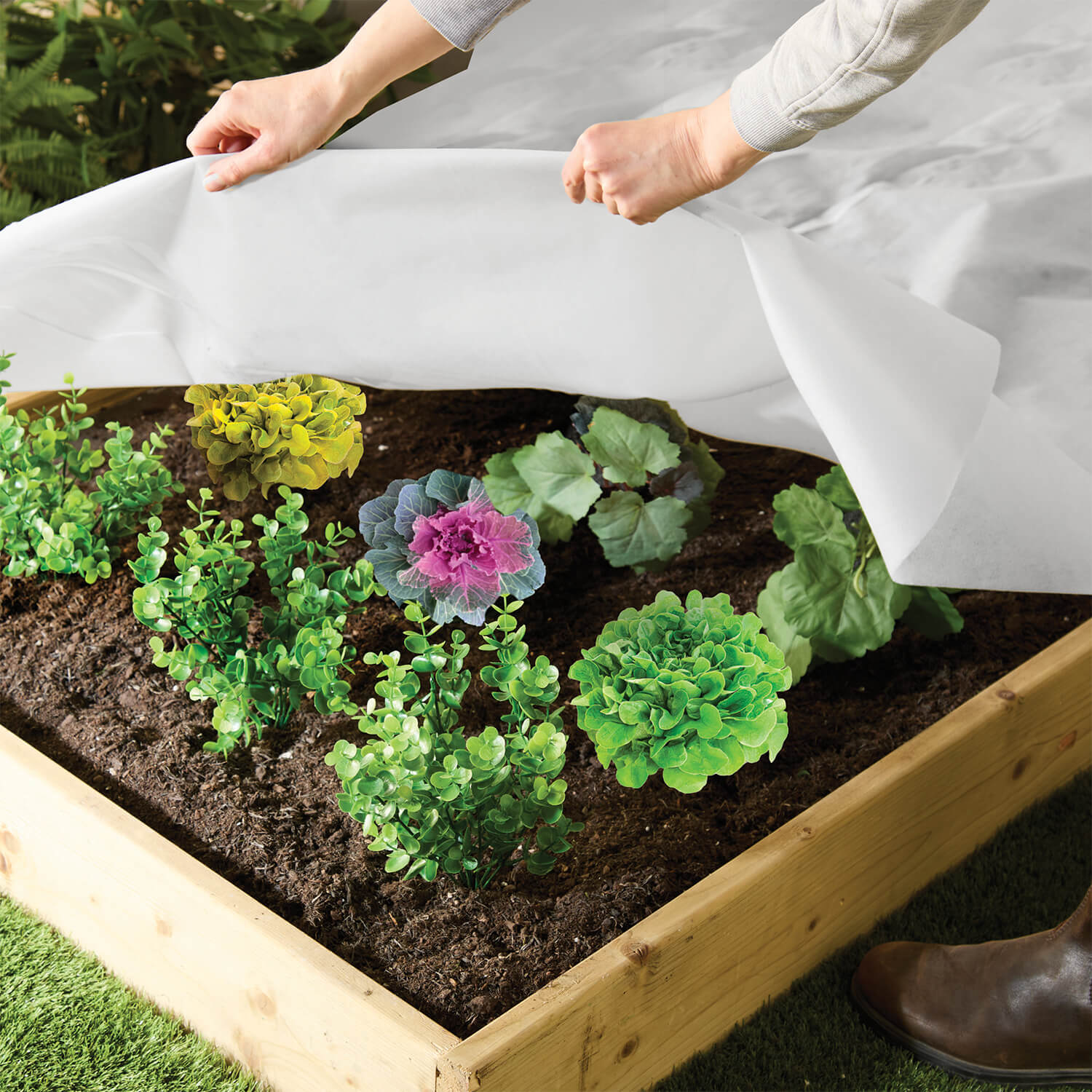
Beyond mulching and composting, leaves can be a vital ally in shielding your garden through the coldest months. Dry, shredded leaves make an excellent insulating blanket over tender perennials or around the base of shrubs. For container plants, try wrapping pots in hessian or fleece, then filling the gap with leaves to guard against frost. Even vegetable beds benefit from a thick covering of shredded leaves, which works like a natural winter duvet. The one precaution is to avoid piling leaves directly against plant crowns, as this can lead to rot.
 |
|
Common Mistakes to Avoid
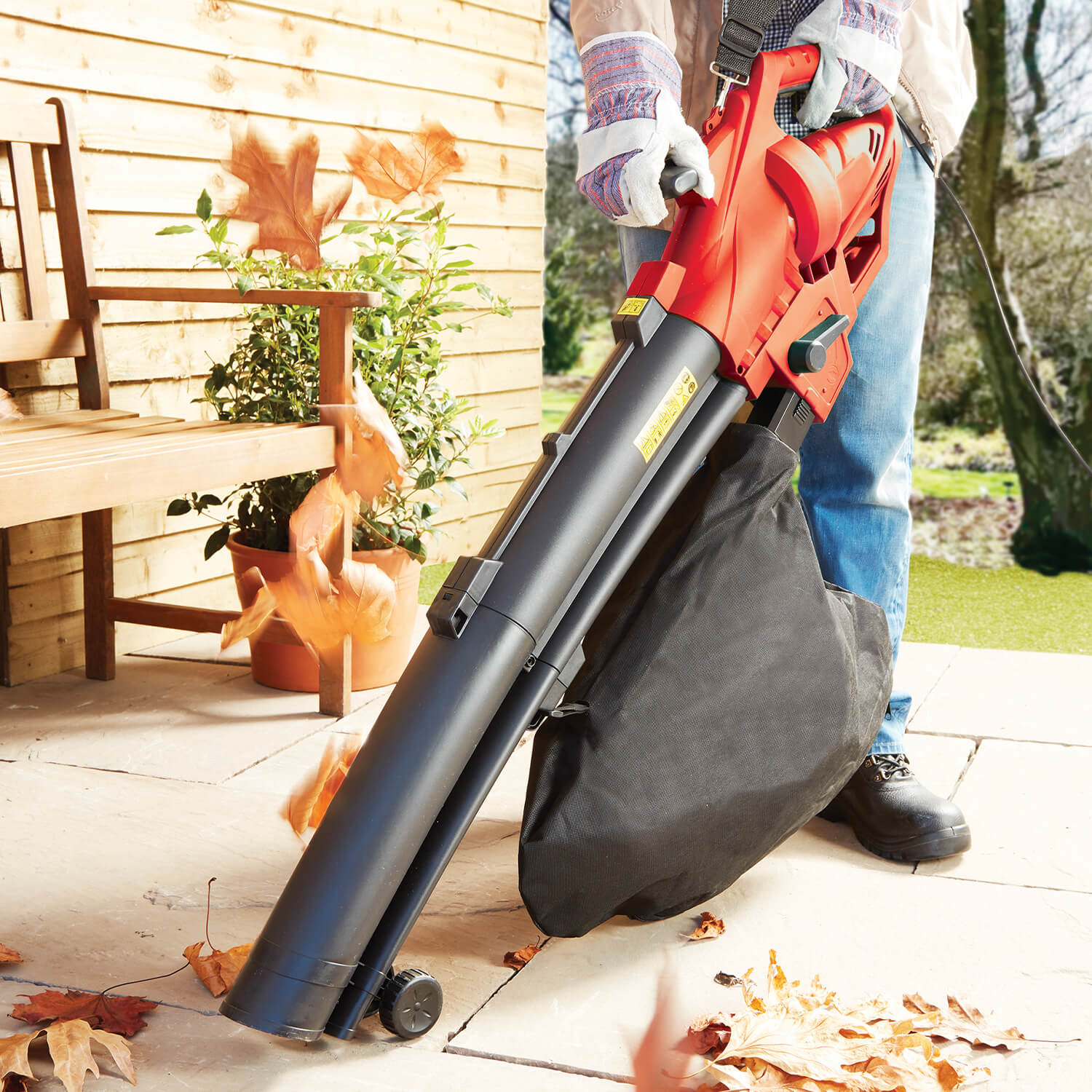
It’s worth being cautious about how you use autumn leaves. Leaving whole, wet leaves on lawns deprives the grass of light and air, often leading to dead patches. Diseased leaves, such as those with mildew or black spot, should be binned rather than composted to prevent problems spreading. And while leaf mulch is invaluable outdoors, it should never be used for houseplants, where it can cause damp and pest issues indoors.
 |
|
Final Thoughts
Autumn leaf care is one of the simplest, most cost-effective ways to prepare your garden for winter while building healthier soil for spring. Whether you use them as mulch, transform them into leaf mould, or rely on them for winter protection, fallen leaves are a gift to your garden. Instead of filling waste bins, make the most of what nature provides. If you’re looking for the right tools to put these ideas into practice—such as shredders, compost bins, protective fleece, or mulch-friendly containers—explore our range of gardening supplies and get your garden winter-ready today.