
Autumn Planting & Bulbs for Spring: A Gardener’s Guide
As September rolls around, many gardeners pack away their tools and assume the season has ended. Yet autumn is one of the most important times in the gardening calendar - now is the perfect opportunity to plan ahead for a spectacular spring display.
Why Plant Bulbs in Autumn?
Bulbs require a period of cold dormancy in order to develop strong roots and healthy flowers. By planting them in autumn, typically between September and November, you give them time to settle into the soil before the frosts arrive. This natural cycle mirrors the conditions bulbs would experience in the wild, allowing them to flourish when the warmer weather returns.
Choosing the Right Bulbs
When it comes to spring bulbs, variety is key. By selecting a mix of early, mid-season, and late bloomers, you can extend the flowering season over several months. Popular choices include:
- Daffodils: Cheerful and resilient, daffodils are among the earliest to flower.
- Tulips: Available in countless colours and shapes, tulips bring bold drama to borders and containers.
- Crocuses: These delicate blooms often push through even when snow still lingers.
- Hyacinths: Known for their heady fragrance, hyacinths add both scent and style.
- Alliums: Their globe-like purple heads make a striking statement in late spring.
 |
 |
Planting Tips
- Soil Preparation: Choose well-drained soil to prevent bulbs from rotting. If your soil is heavy, consider adding grit or organic matter to improve drainage.
- Depth and Spacing: A good rule of thumb is to plant bulbs at a depth three times their height. A spacing guide is often printed on the bulb packet instructions.
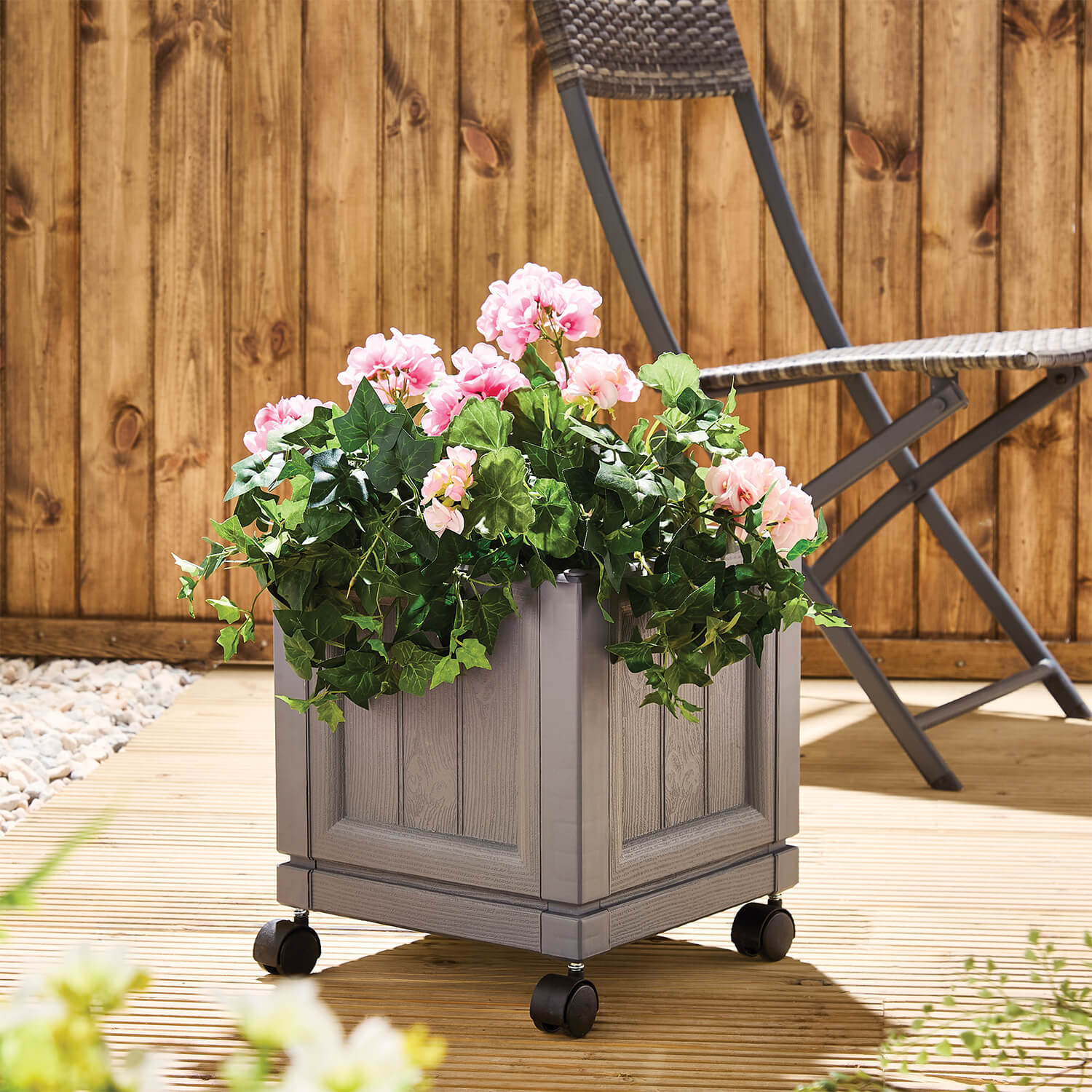
- Containers: If you lack garden space, bulbs thrive in pots. Layering different varieties in the same container – a technique called ‘lasagne planting’ – ensures a long-lasting show.
 |
|
Aftercare
Once planted, water the bulbs well and then leave them to rest. Autumn rains usually provide sufficient moisture, but keep an eye on pots to ensure they don’t dry out. In spring, remove faded flowers to encourage the bulbs to store energy for the following year. Allow foliage to die back naturally before cutting it away.
 |
|
A Seasonal Investment
Planting bulbs in autumn isn’t about instant results – it’s about laying solid groundwork for the months ahead. A little time spent now means you’ll have reliable colour and structure from late winter through to early summer. By choosing a good mix of bulbs and planting them carefully, you set yourself up for a garden that delivers interest and impact long after the darker days have passed.