
Comfortable and Supportive Footwear: What to Look For
When it comes to choosing the right footwear, comfort and support should always come first. Whether you're heading out for a walk, spending time in the garden, or simply running errands, the right shoes can make a big difference in how your feet feel at the end of the day. In this guide, we'll walk through key features to look for in comfortable and supportive footwear, with a focus on styles like trainers, sandals, and slippers.
Why Footwear Support Matters
Feet naturally change over time. Arches may lower, toes may spread, and skin can become more sensitive. Wearing unsupportive shoes can lead to discomfort, fatigue, and even balance issues. Prioritising proper footwear helps reduce strain on joints, improve posture, and promote better overall mobility.
Top Features of Comfortable and Supportive Footwear
1. Arch Support
A good pair of shoes should provide adequate arch support. This helps distribute weight evenly and reduces stress on the heels, ankles, and knees. Look for insoles labelled as orthotic or contoured, or choose footwear with removable insoles so you can add your own.
2. Cushioning and Shock Absorption
Shoes with cushioned footbeds and shock-absorbing soles protect your feet from hard surfaces and provide all-day comfort. Memory foam, EVA midsoles, and gel inserts are all great features to look for.
3. Wide Toe Box
A spacious toe area prevents crowding and allows natural toe movement. This is especially important for anyone with bunions, hammertoes, or sensitive joints. Avoid narrow or pointed styles that can restrict circulation.
4. Adjustability
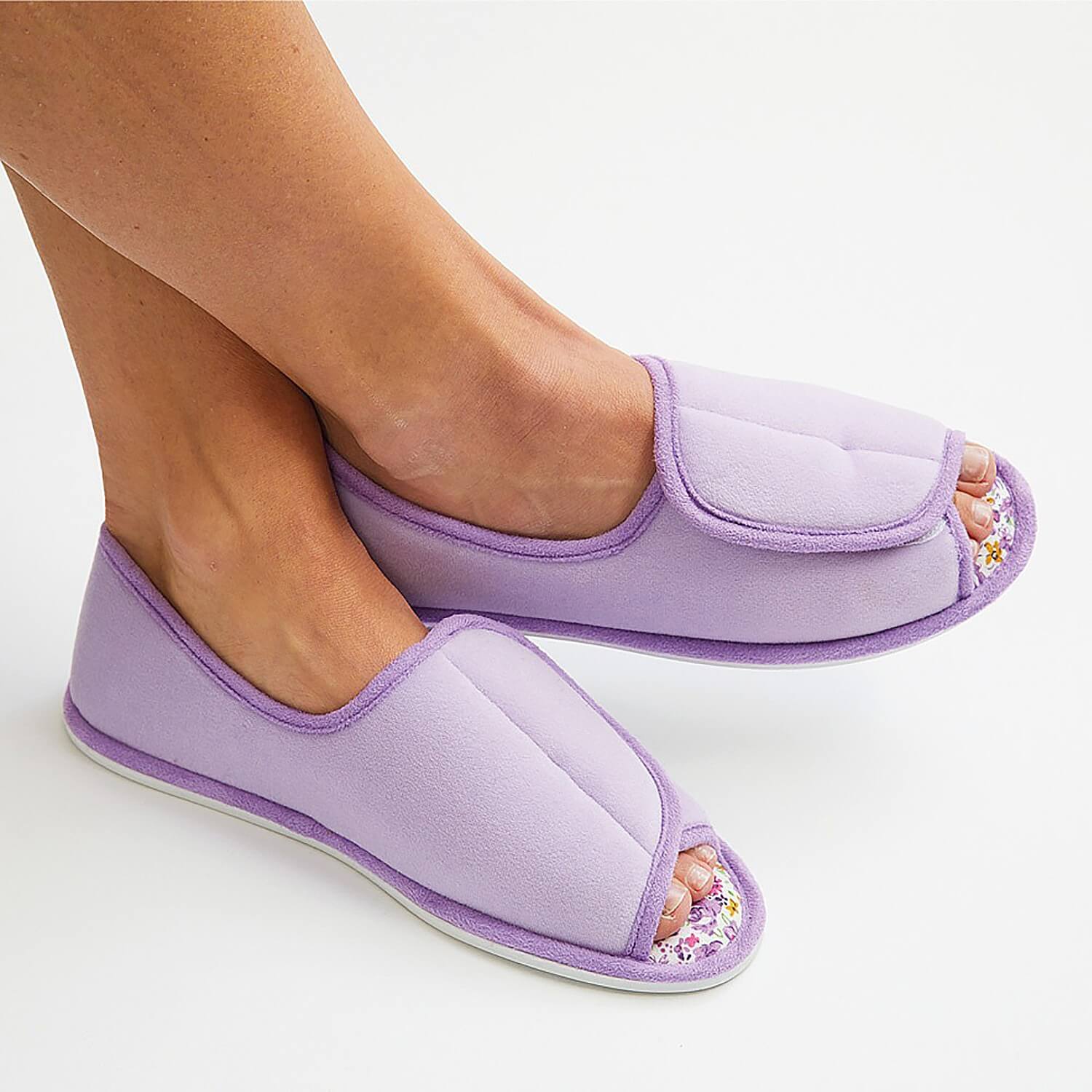
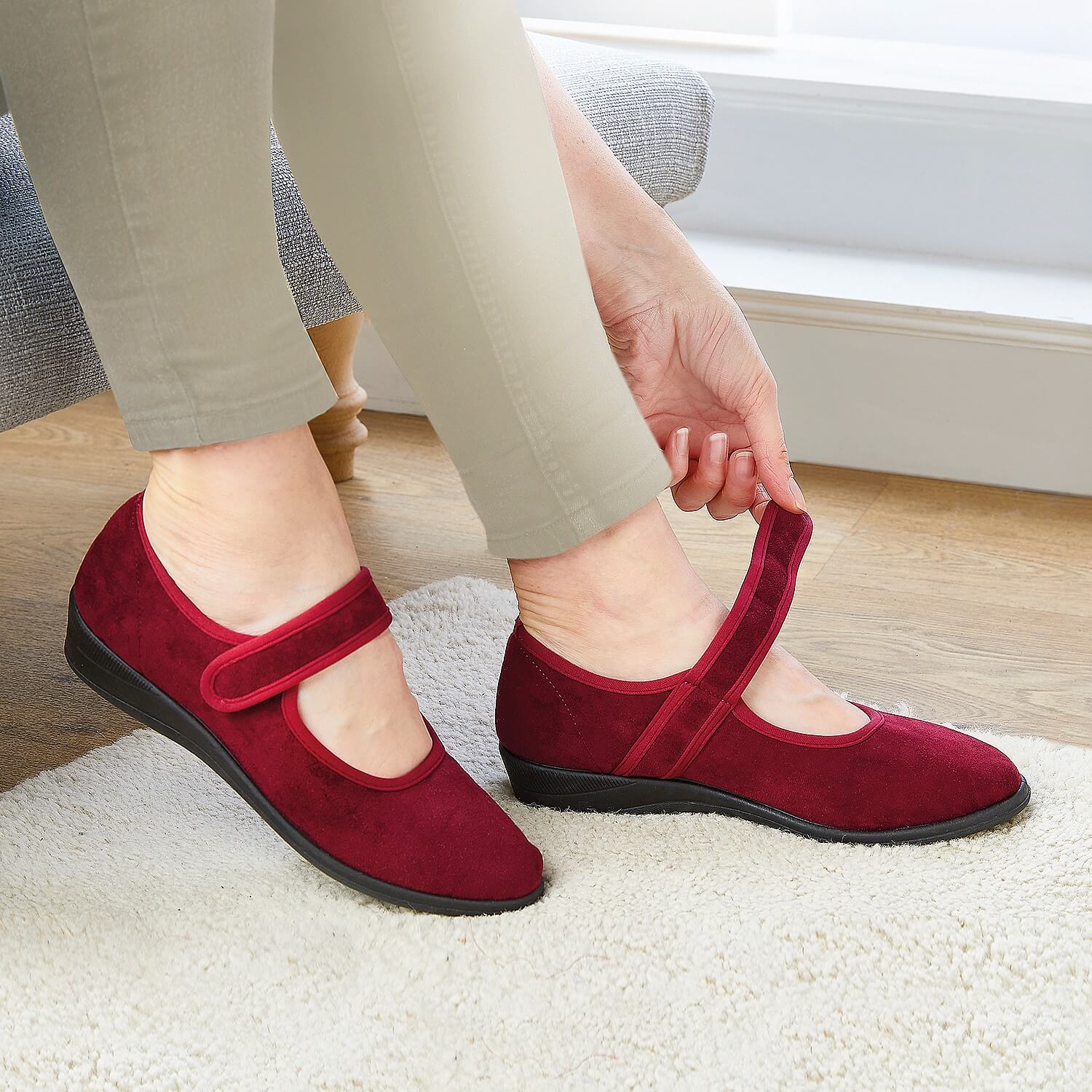
Footwear with adjustable straps, laces, or Velcro closures allows you to get a custom fit. This is particularly helpful if your feet swell throughout the day or if one foot is slightly different in size than the other.
5. Non-Slip Soles
Traction is key for safety. Look for non-slip rubber soles with good grip, especially in slippers or indoor footwear. A textured outsole provides stability on a variety of surfaces, reducing the risk of slipping.
6. Low, Stable Heels
Avoid high heels or unstable wedges. A low, wide heel (or no heel at all) helps maintain balance and reduces pressure on the ball of the foot.
Best Footwear Styles to Consider
Supportive Trainers (Walking Shoes)
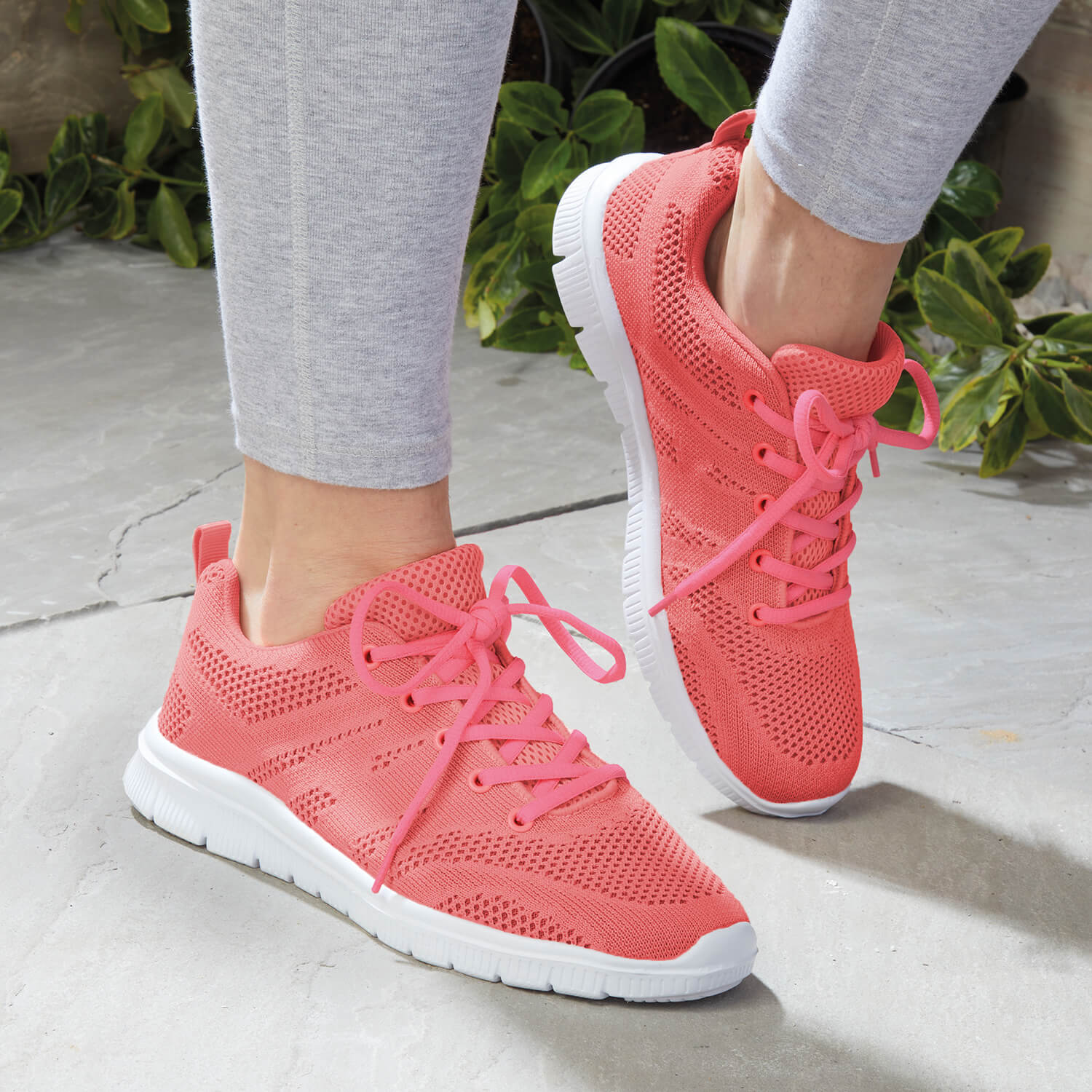
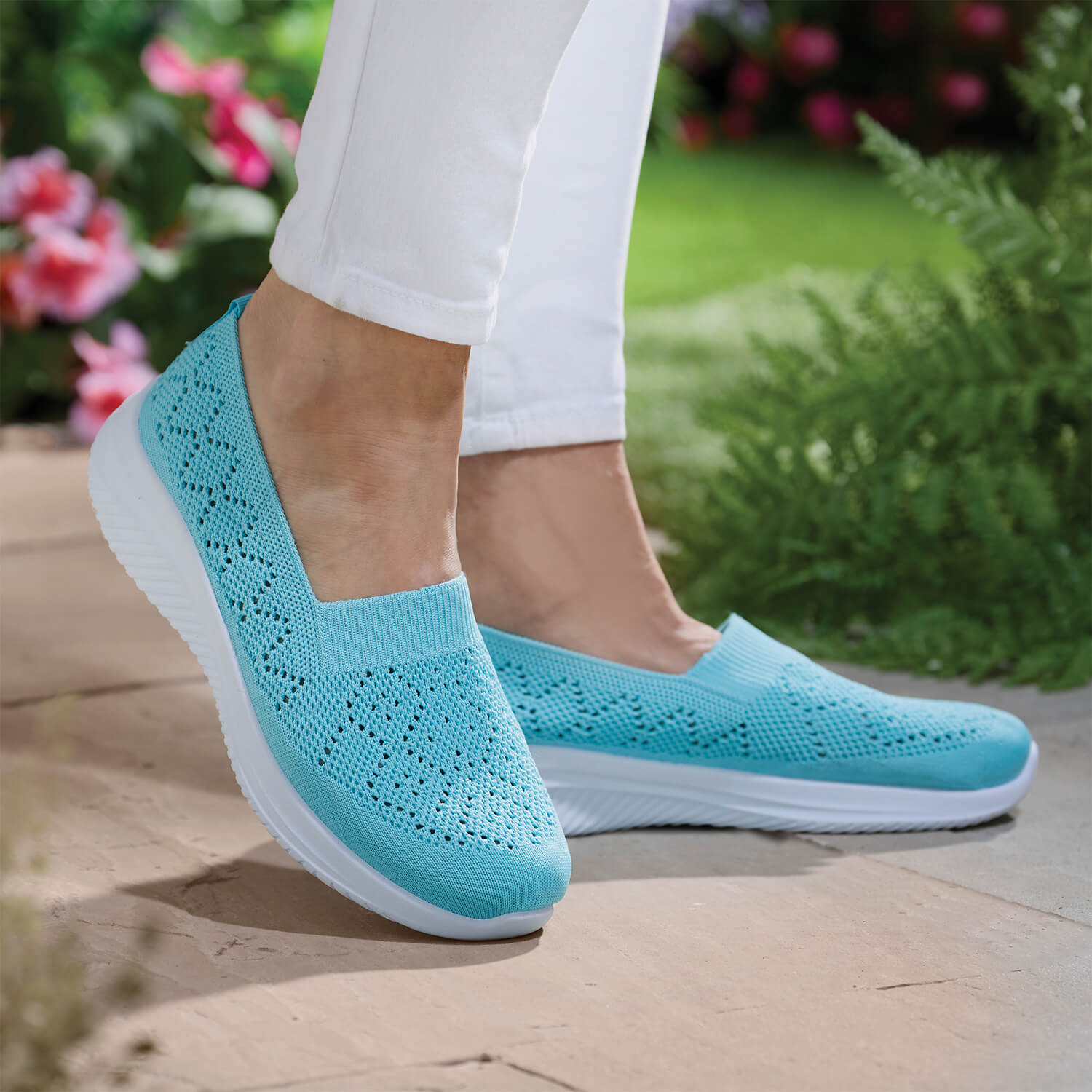
Ideal for walking, errands, and casual outings. Look for lightweight styles with breathable uppers, good arch support, and firm heel counters. Slip-on trainers with stretch panels are great for ease of use without sacrificing support.
 |
 |
 |
|
Cushioned Sandals
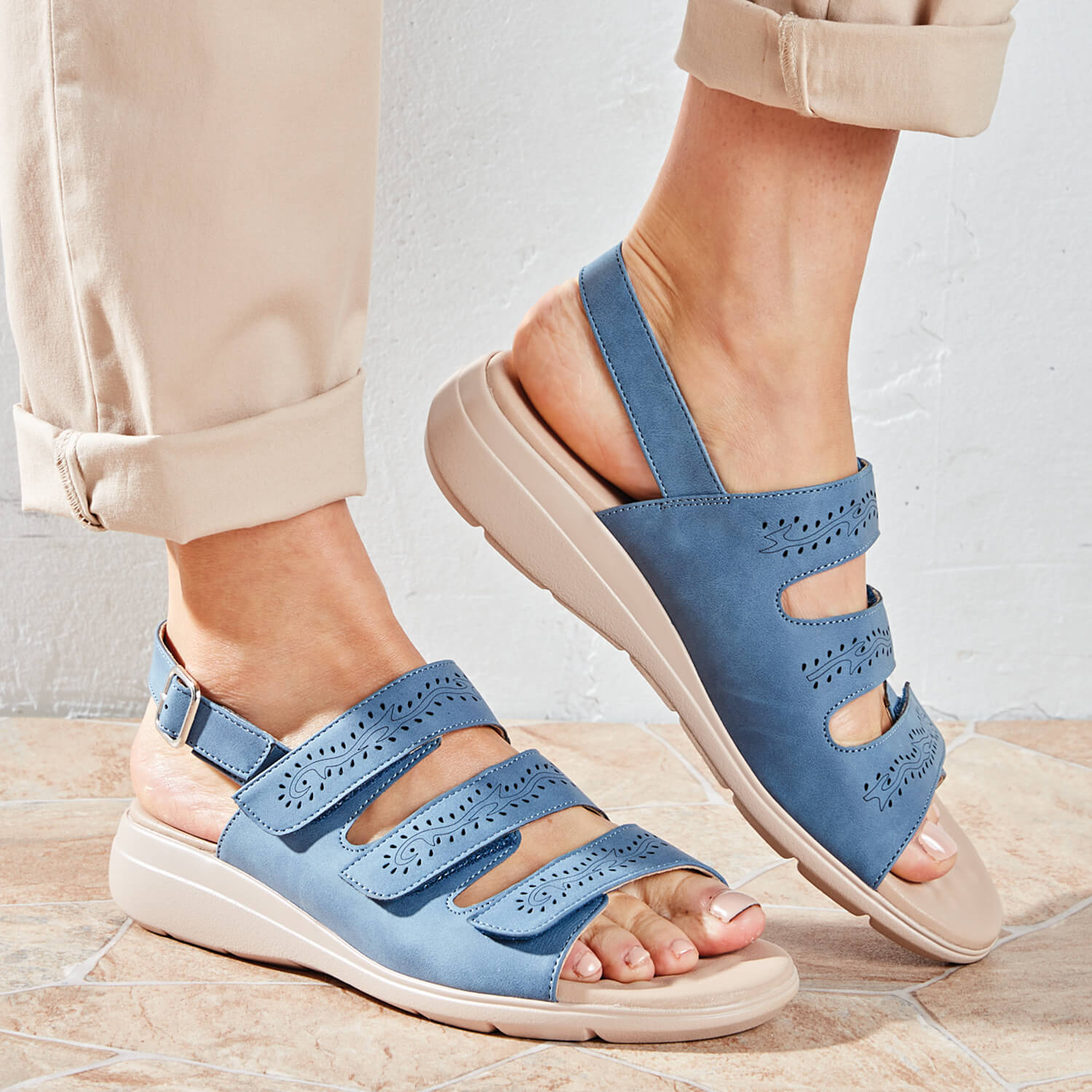
Perfect for warmer weather, sandals with contoured footbeds, arch support, and adjustable straps offer both comfort and versatility. Choose models with back straps for added stability.
 |
 |
|
|
Comfortable Slippers
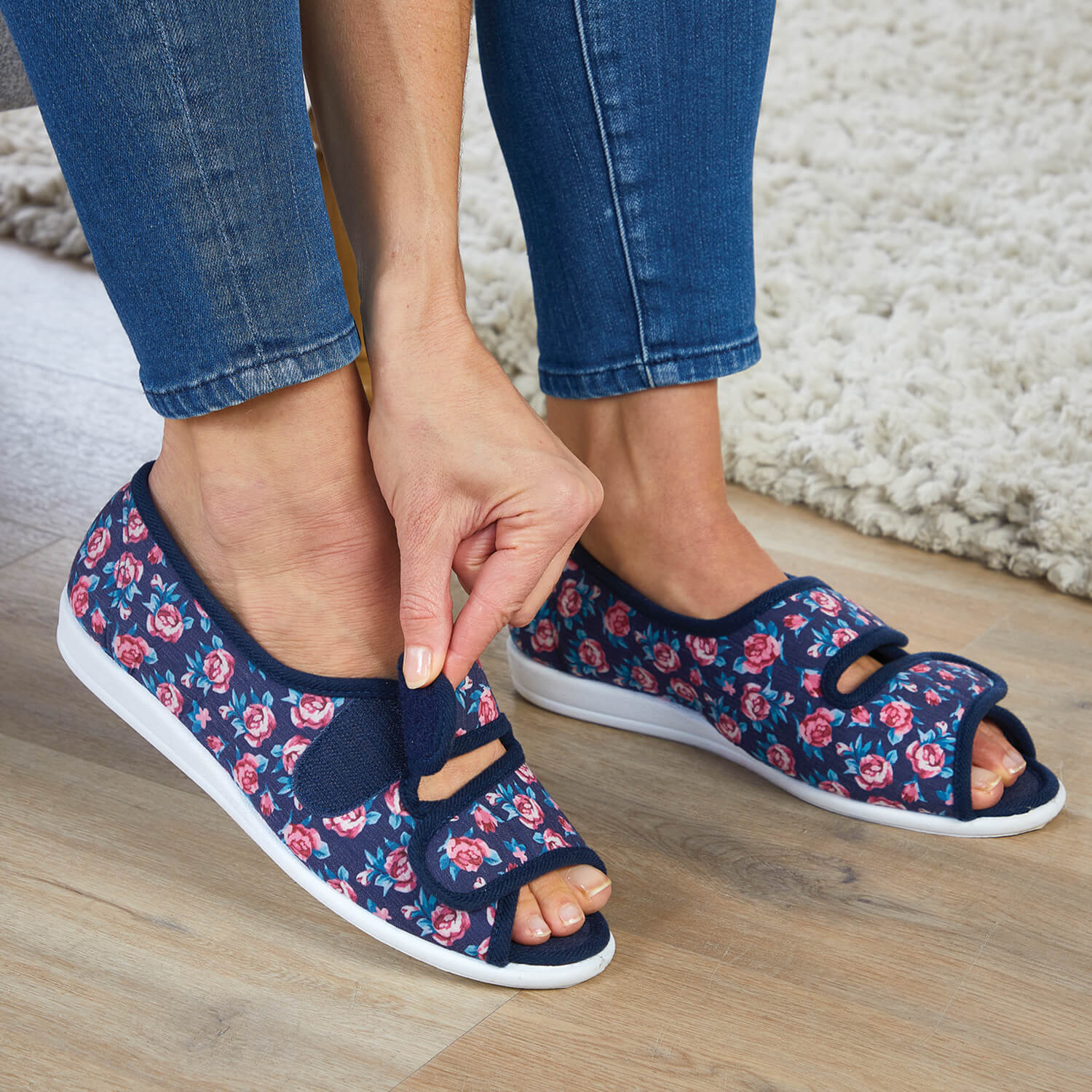
Indoor footwear matters too. Select slippers with non-slip soles, arch support, and a snug but not tight fit. Avoid completely flat, floppy slippers that lack structure.
 |
 |
|
|
Final Tips
- Try shoes on later in the day when feet are naturally more swollen.
- Always walk around in the store (or your home, if buying online) to test the fit.
- Don’t settle for style over support – look for a shoe that offers both.
Choosing the right footwear isn't just about style; it's an important part of staying active, comfortable, and confident throughout the day. With the right pair of shoes, every step really can feel easier.